Hydrologist · Water resources engineer

Making water
systems clear.

I combine hydrological science, modelling and practical engineering to understand water availability—and design responses that hold up in a changing climate.

Based in BelgiumWorking internationally
BACKGROUNDPhD · Engineering SciencesVrije Universiteit Brussel
FOCUSWater SecurityClimate change · water availability · adaptation
APPROACHScience into practiceScience · decisions · solutions

I work where hydrology, modelling and implementation meet.

I am Katoria Lekarkar, a hydrologist and water resources engineer with experience across research, consulting and infrastructure projects in Europe and Africa.

My work focuses on a deceptively simple question: how much water is available, now and in the future? Answering it means connecting climate, soils, vegetation, rivers and groundwater—and presenting the result so that it leads to a better decision.

See how I work

From national climate questions to local solutions.

Research and field engineering that connect climate-scale change with practical water security.

01

Climate adaptation · Model development

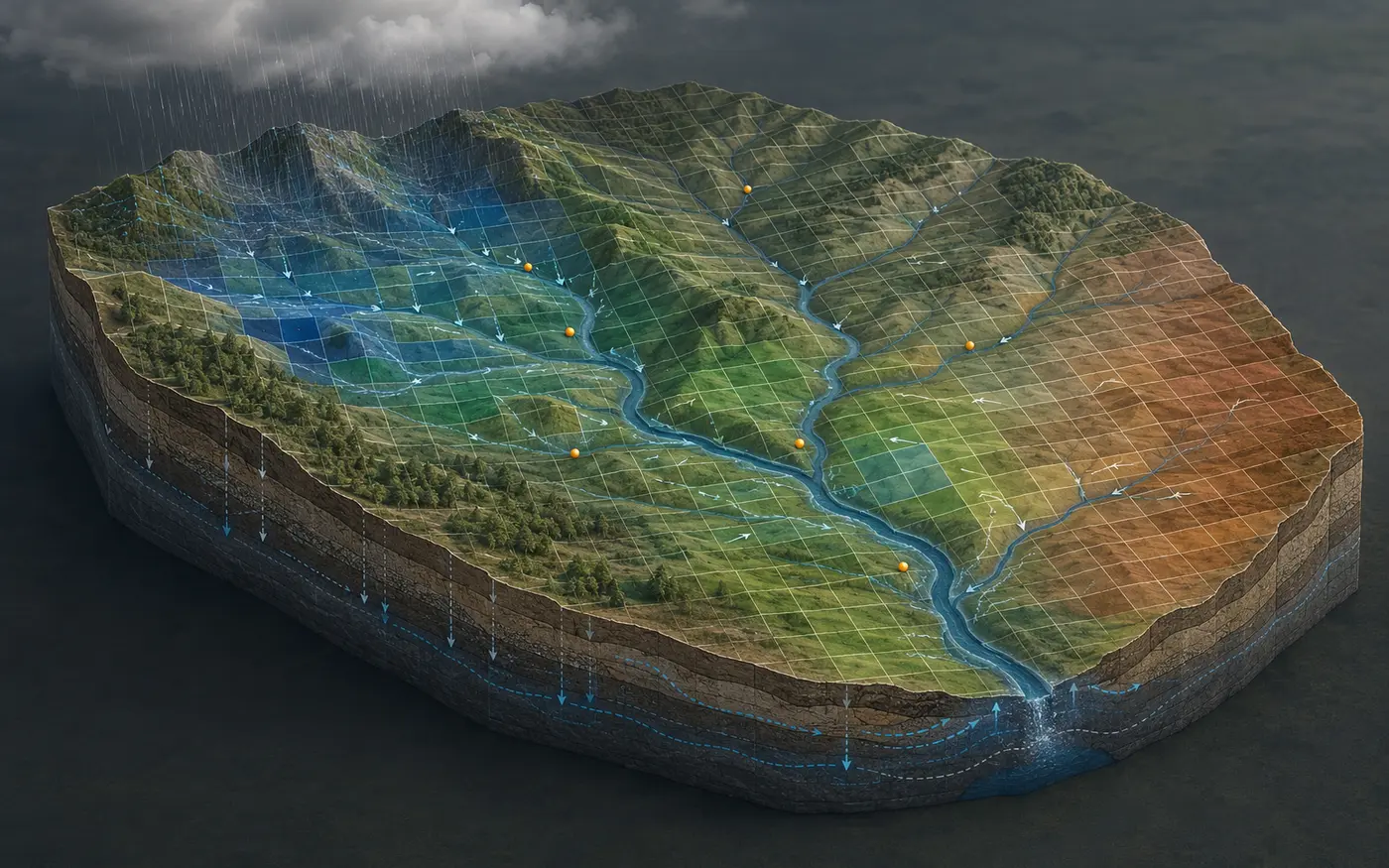
SPONGE

A process-oriented model that turns the ‘sponge effect’ of soils and nature-based solutions into measurable water benefits.

At Boechout, SPONGE traces how rainfall becomes interception, storage, runoff, drainage and recharge—before and after an intervention.

Nature-based solutionsPythonDecision support
02

Belgium · Climate change

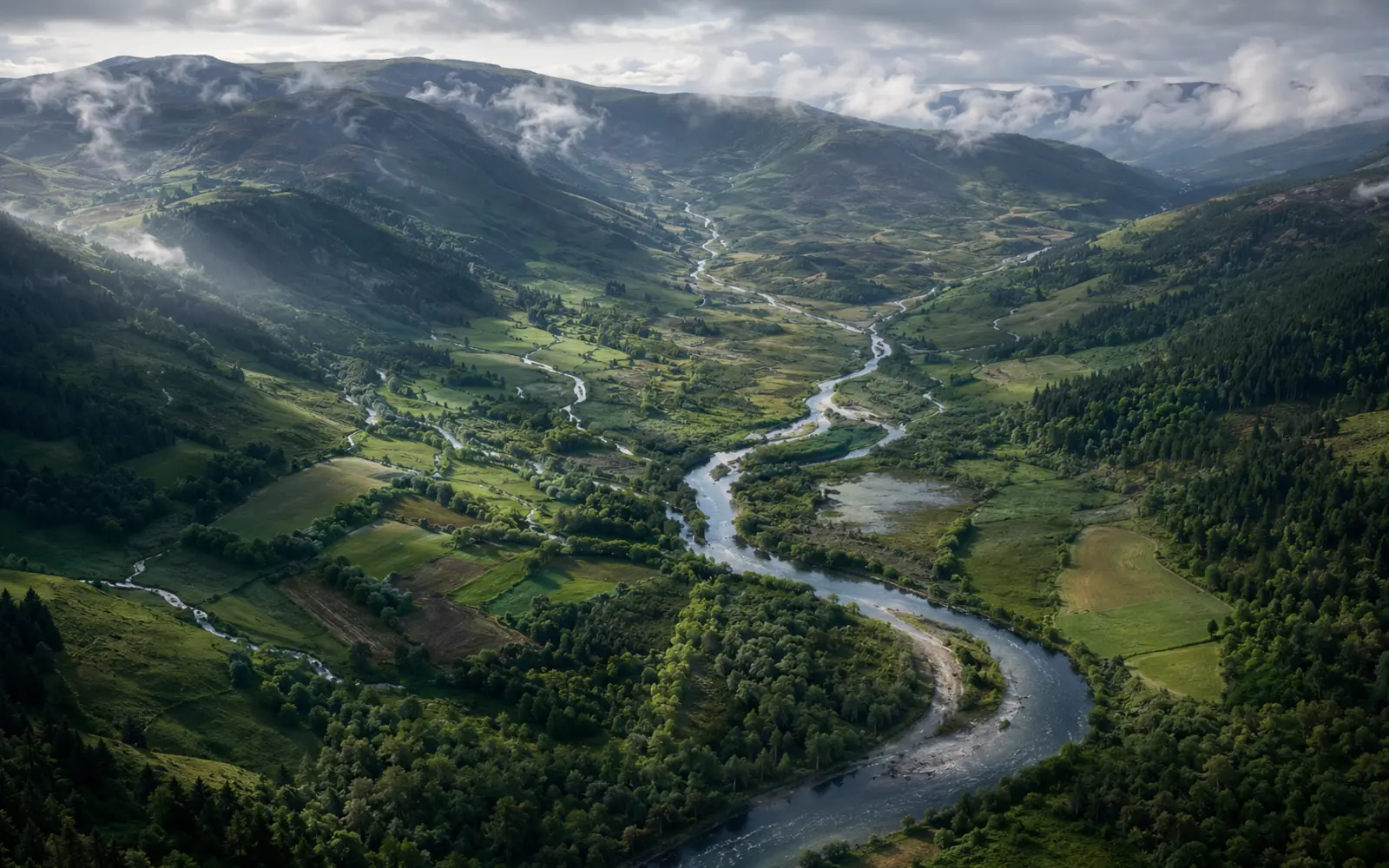
Groundwater recharge

How a wetter climate can still leave less water available when recharge shifts away from summer and autumn.

Across ten climate models and four emissions pathways, recharge shifts decisively toward winter as summer and autumn losses deepen.

mHMISIMIPClimate scenarios
03

Kenya · Water masterplanning

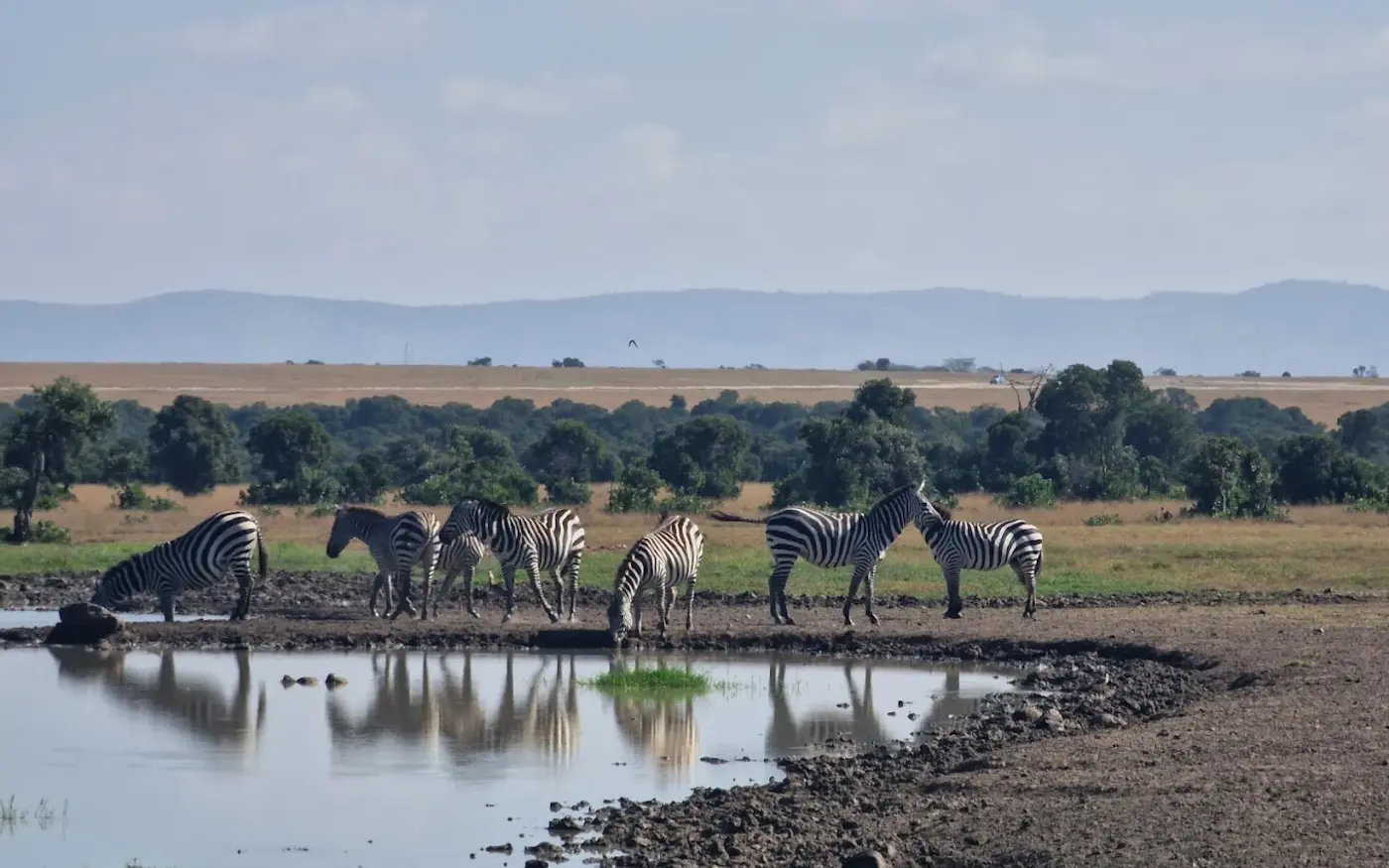
Ol Pejeta Conservancy

A 20-year water masterplan for an integrated conservancy supporting staff, tourism, cattle and wildlife.

The plan prioritised abstraction, storage, distribution, wastewater reuse and investment across normal, dry and exceptional conditions.

MasterplanningWater securityRural Focus
04

Kenya · Rainwater harvesting

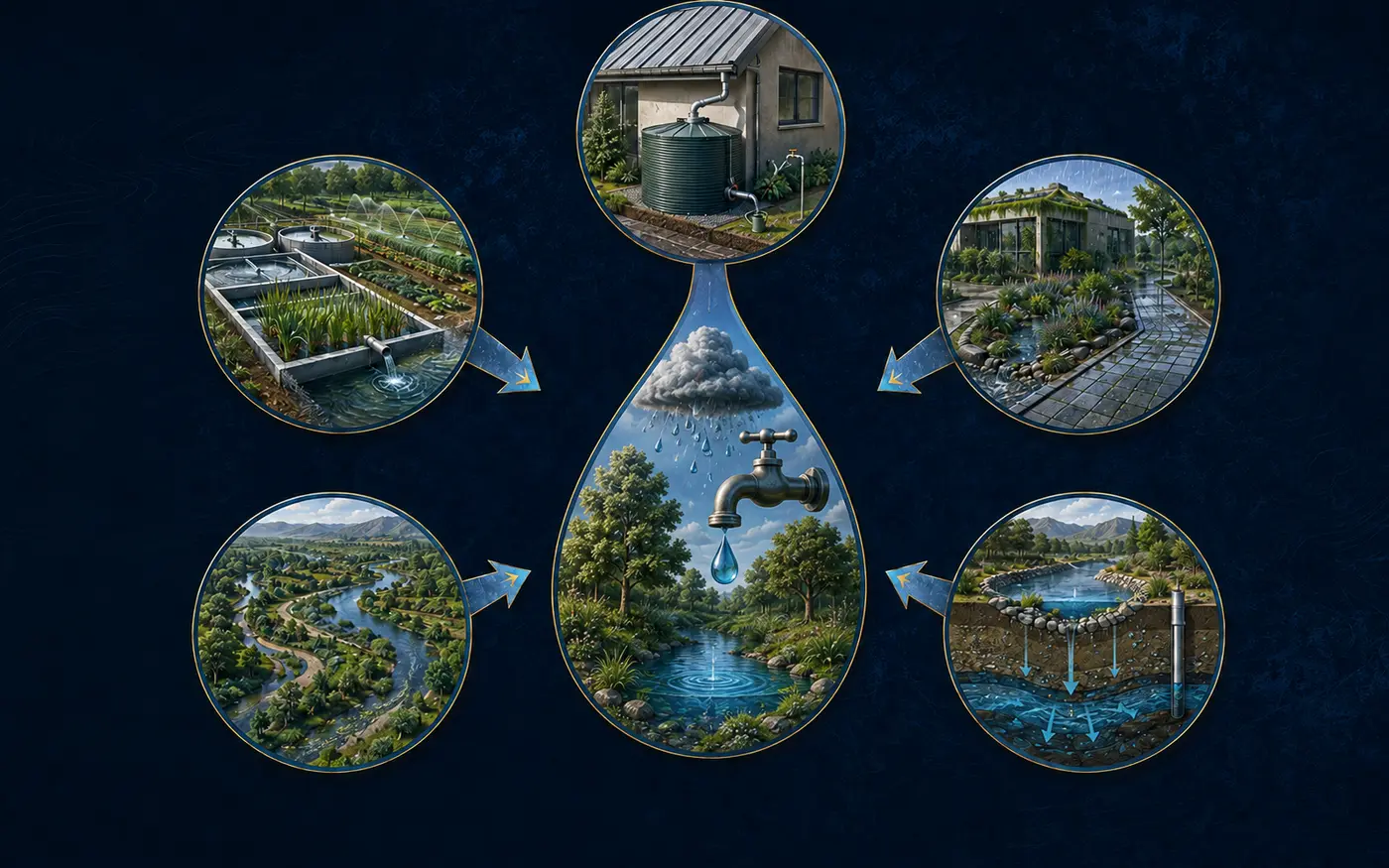
Meibae rock catchment

A rock-catchment reservoir and solar-pumped supply designed for a remote rangers’ camp.

Feasibility, engineering design and construction supervision delivered 150,000 litres of storage and a more reliable permanent supply.

Rainwater harvestingEngineering designRural Focus
05

Kenya · Spring protection

Loiragai Spring

Rehabilitation design for a gravity-fed spring system serving people, livestock and wildlife.

The assessment restored the system around environmental-flow requirements, stronger crossings and more reliable consumer points.

Water supplyRehabilitationRural Focus

A rigorous route from question to action.

01

Understand the system

I translate climate, catchment, soil and groundwater processes into a clear picture of where water comes from, where it goes and what controls its availability.

02

Build the evidence

I combine hydrological models, geospatial data and field observations to test scenarios and quantify uncertainty—not just produce attractive maps.

03

Shape the response

I turn results into practical choices for drought resilience, water retention and nature-based adaptation that project teams and decision-makers can use.

AVAILABLE FOR THE NEXT CHALLENGE

Let’s make the water
picture clearer.

If you are working on water availability, drought resilience, climate adaptation or nature-based solutions, I would be glad to hear from you.

Start a conversation